
Episode 103 How to use behavioral science to create positive social impact
In this episode, we start our mini-series on behavioral science for social good. This time, we’re discussing how to encourage people to stop smoking. We explore three principles – social proof, the importance of starting small, as well as why fear-mongering can backfire.











Episode Highlights
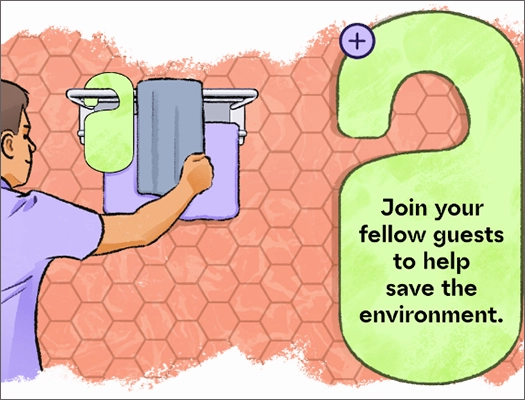
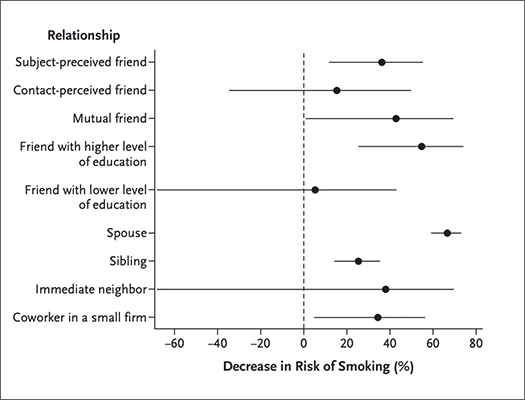
Social proof is a powerful motivator for quitting. Studies show that if a sibling quits, you're 25% more likely to stop, but a quitting spouse boosts those odds by a significant 67%.
The "foot-in-the-door" technique proves that small steps lead to big changes. Campaigns use this by asking smokers to quit for just one day first before committing to long-term health.
Serious topics don't need serious ads. Using humor can bypass the ostrich effect, making people more willing to listen and act on vital health information rather than ignoring it.
Resources & Useful Links
See below for additional resources from this week's episode.














Keep Listening

Ep102 - Kevin Chesters, co-author of The Creative Nudge, on why great creativity requires discomfort, not consensus