
Episode 119 Behavioral Science for Agencies: Strategy
In this episode, MichaelAaron Flicker and Richard Shotton explore how agencies can use behavioral science to build stronger brand strategies. From the mere-exposure effect to the halo effect and goal dilution, they unpack why consistency, focus, and clear communication often outperform complexity and constant reinvention.











Episode Highlights
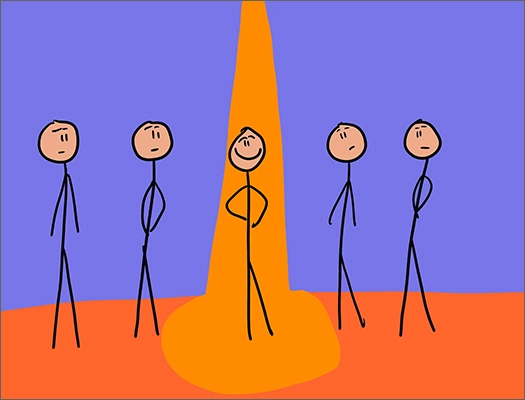
The spotlight effect experiment reveals how much marketers overestimate consumer attention. Most people are focused on their own lives and fail to notice even highly embarrassing brand mistakes.
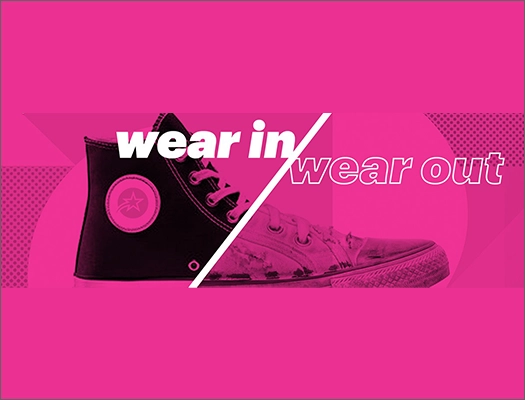
The mere-exposure effect proves that repeated familiarity breeds contentment rather than boredom. Consumers naturally grow fonder of a campaign or brand asset the longer it stays in market.
The goal dilution effect warns brands against promoting too many benefits. Adding secondary product claims inadvertently waters down and undermines consumer belief in the core message.
Resources & Useful Links
See below for additional resources from this week's episode.








Keep Listening

Ep118 - The 4 P's of Marketing: Place